What running gear do I need to start running?
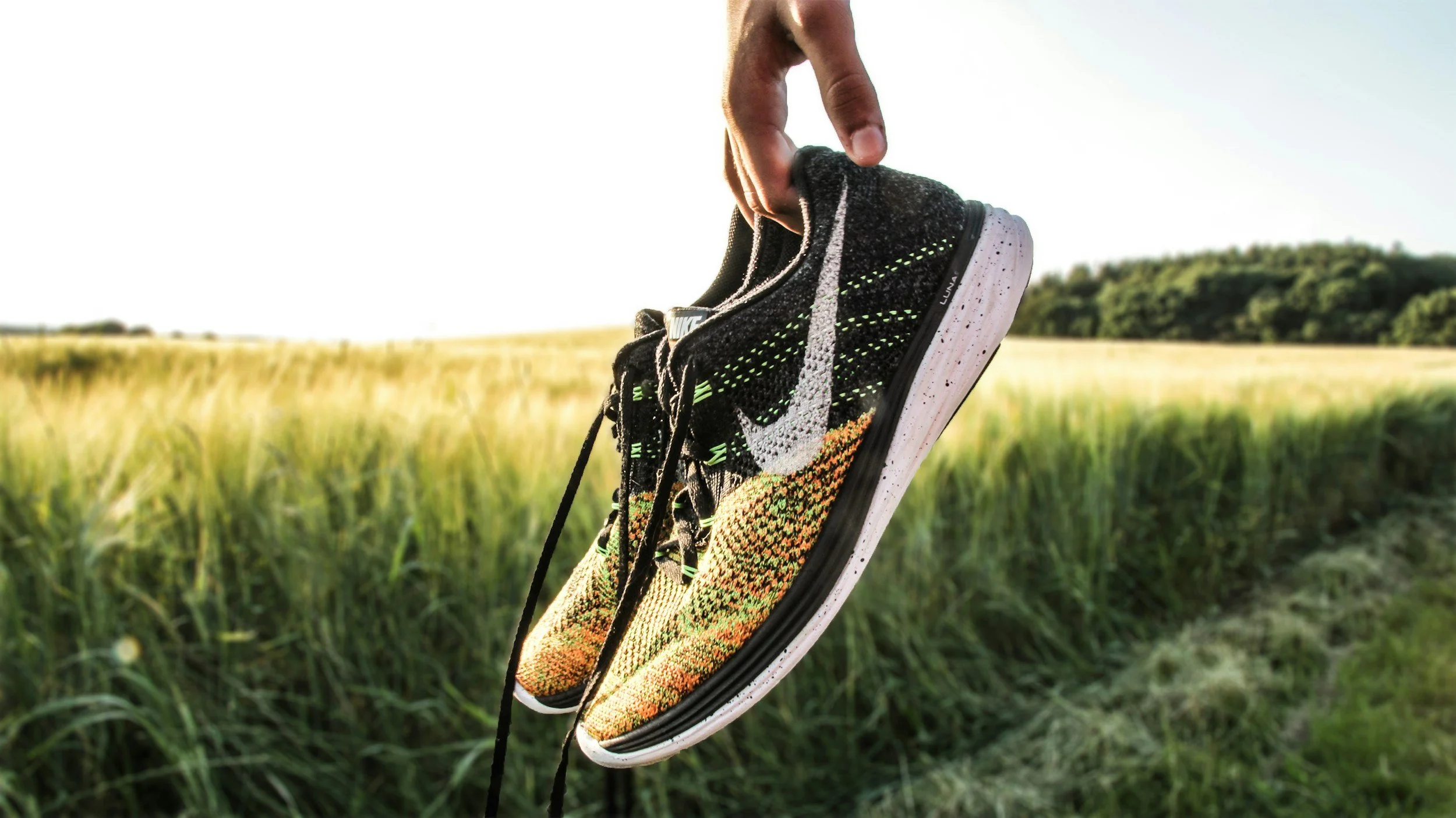
If you have ever Googled “running gear for beginners” and immediately felt like you needed to remortgage your house for some carbon plated shoes and sunglasses that make you look like Cyclops from X-Men…you are not alone.
Here is the truth, you can start running with very little. The “best” gear is the gear that makes you comfortable enough to show up again tomorrow.
This guide will help show you the essentials, what will make things easier, and what is genuinely optional. We’ve also linked some of our favourites depending on your budget!
Remember, you don’t need thousands of £ to start running, that’s the beauty of it.
Summary
Running shoes: The only true essential
Socks: Look after your feet
Running tops
Running shorts
A lightweight running jacket (UK weather’s best friend)
Smartwatch or phone tracking: helpful, not required
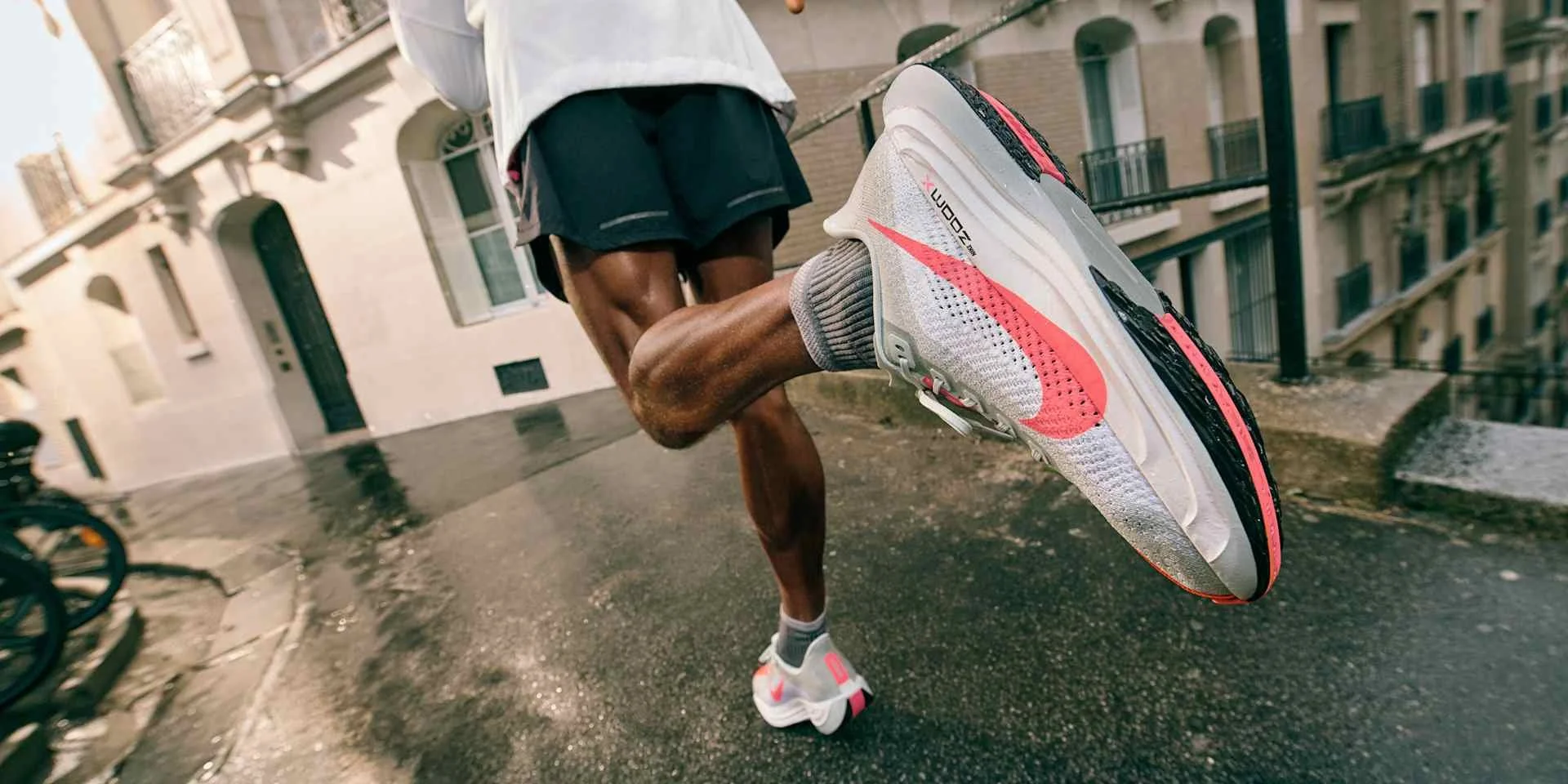
The only true essential: running shoes
If you buy one thing for running, make it shoes. The right pair will make running feel smoother, reduce niggles, and help you stay consistent.
What to look for as a beginner:
Comfort first. Ignore hype. If they feel great on your feet, you are 90% there.
Fit matters: a thumb’s width in front of your big toe; snug (not tight) through the midfoot, no heel slipping.
Neutral vs stability: if you are not sure, start neutral. If you often get knee/ankle pain or you know you overpronate, a stability shoe can help.
We’d recommend these three:
Budget pick: Adidas Questar 3
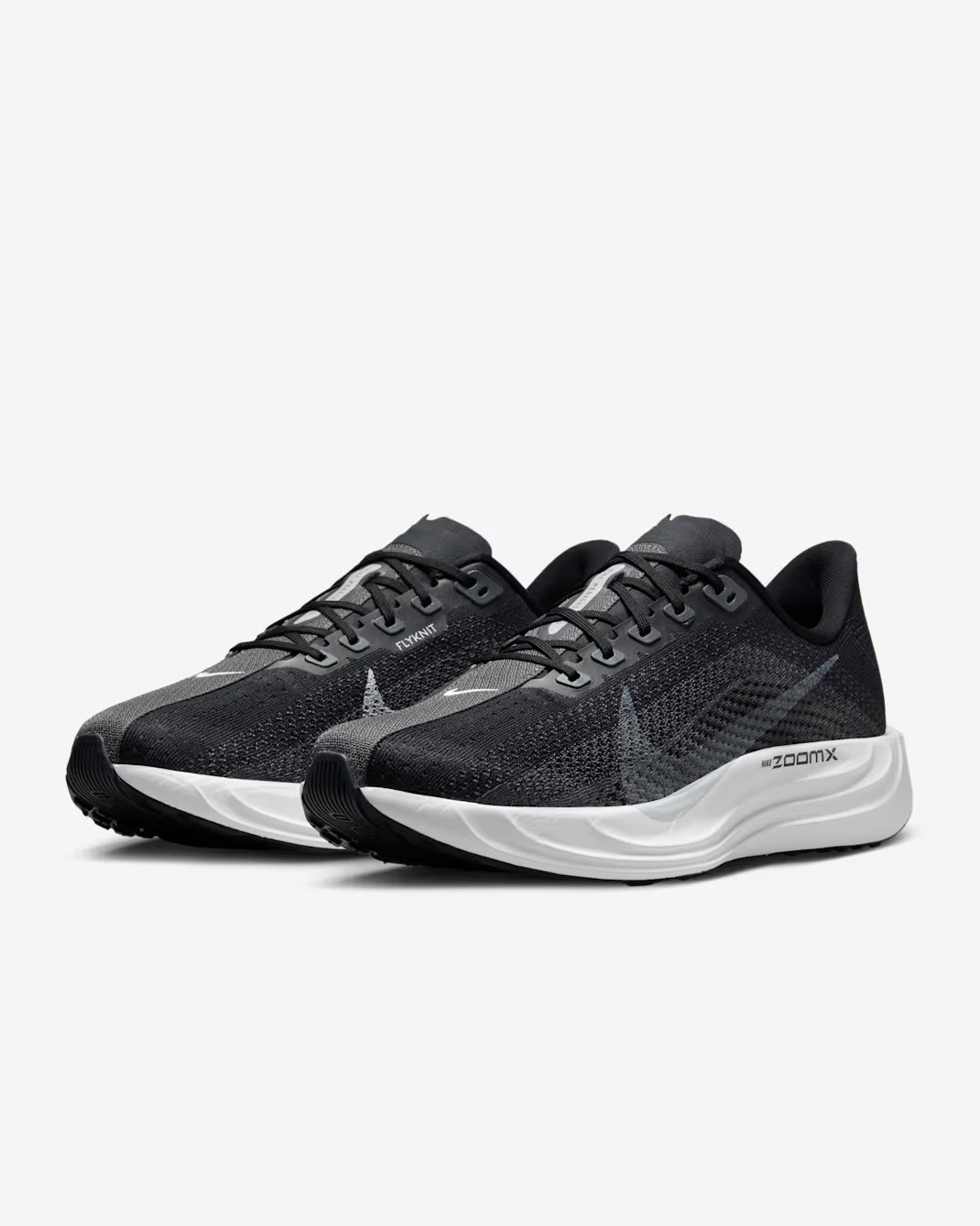
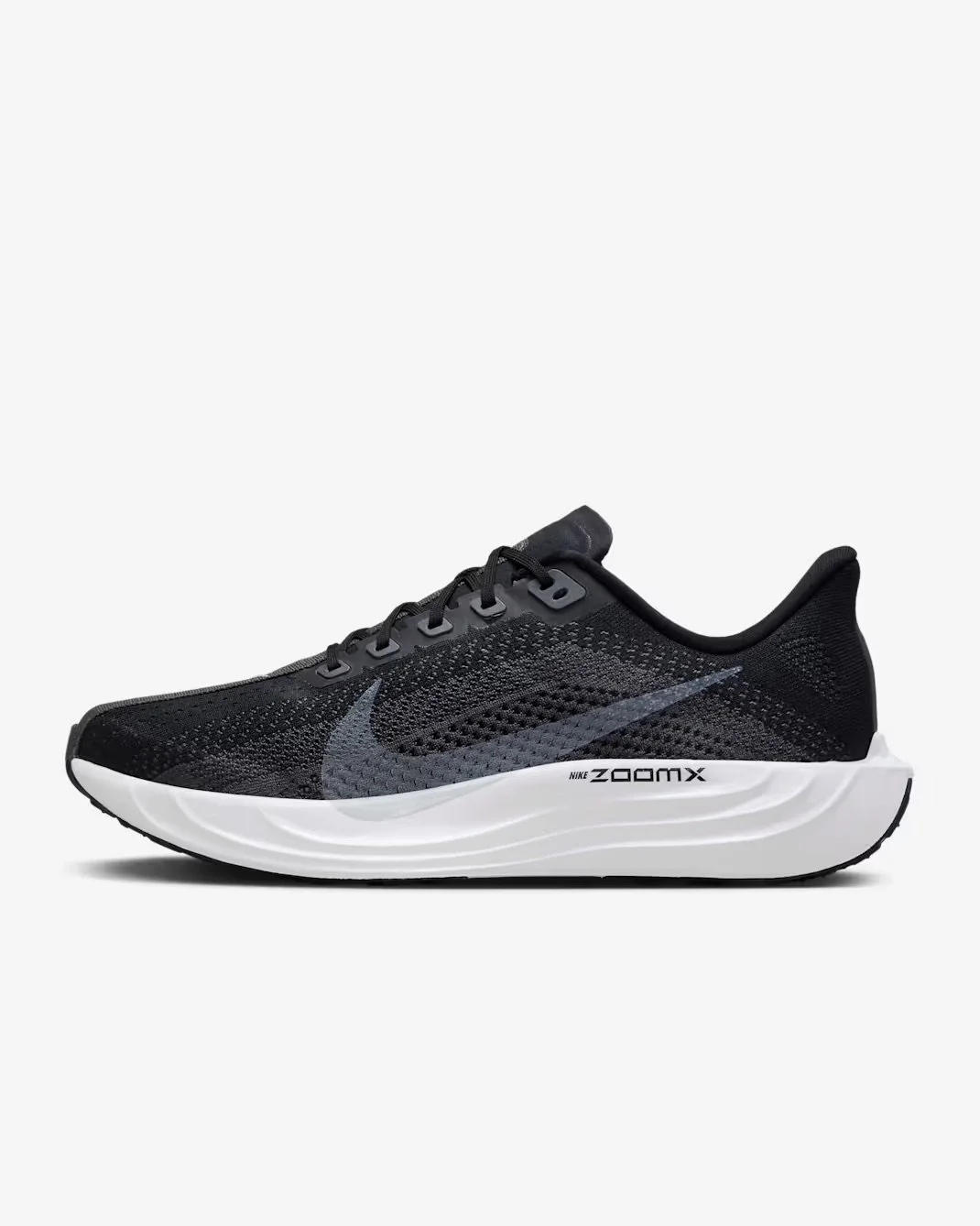
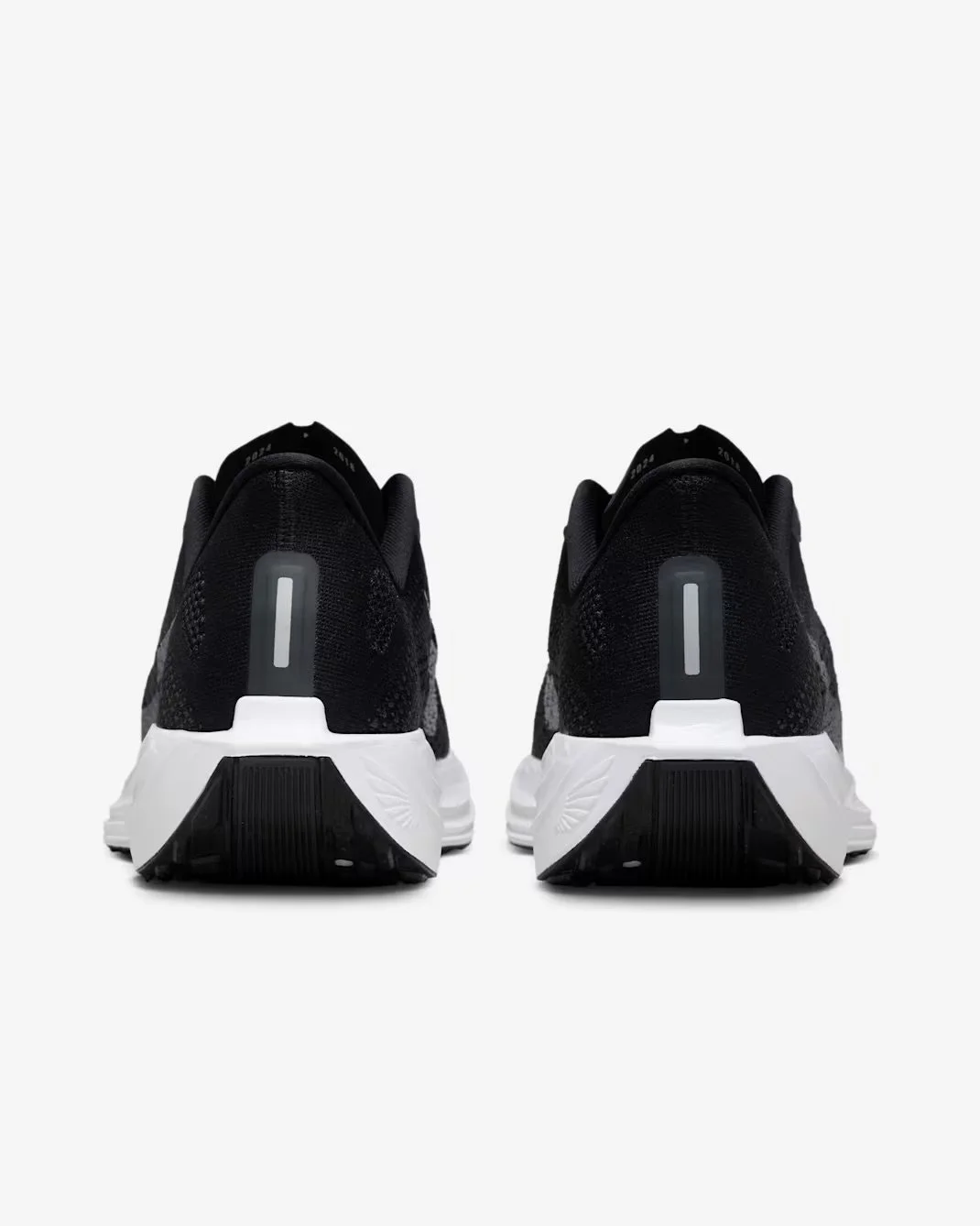
Top pick: Nike Pegasus Plus
Premium pick: Adidas Evo SL
Socks (the tiny upgrade that saves your feet)
Beginner mistake: spending £100+ on shoes and then running in old cotton socks.
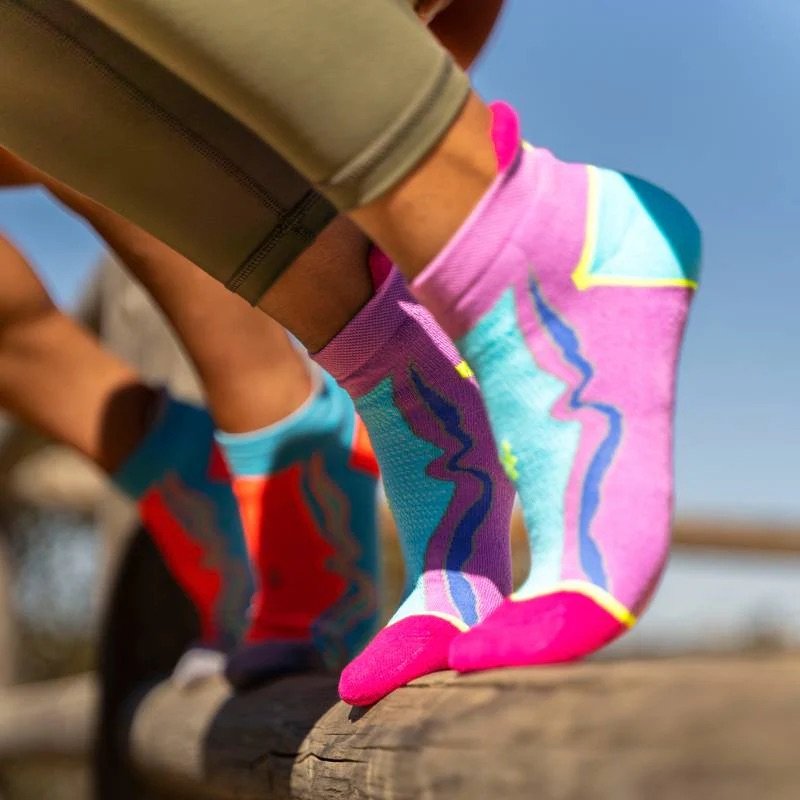
Good running socks reduce blisters, manage sweat, and make runs feel immediately more comfortable.
What to look for:
Moisture-wicking fabric (not cotton-heavy)
Seamless toe (or minimal seams)
A fit that doesn’t slide down
We’d recommend these three:
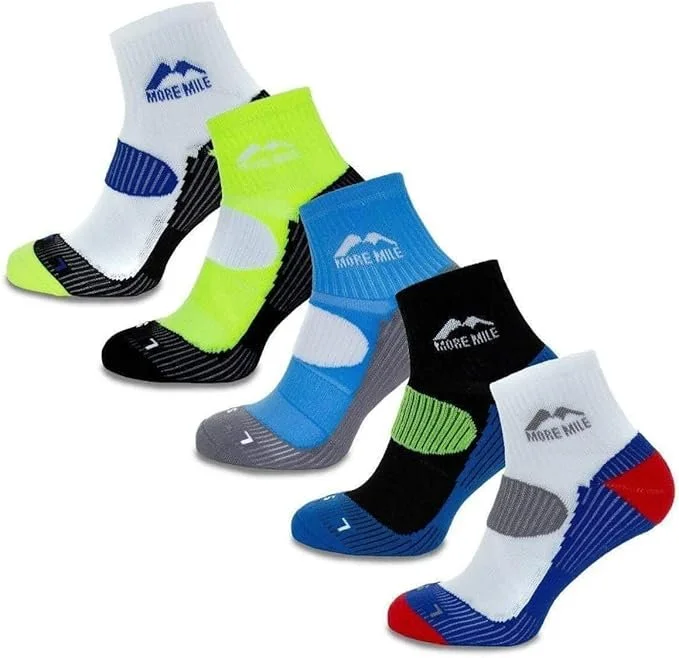
Budget pick: More Mile London (5 pack)
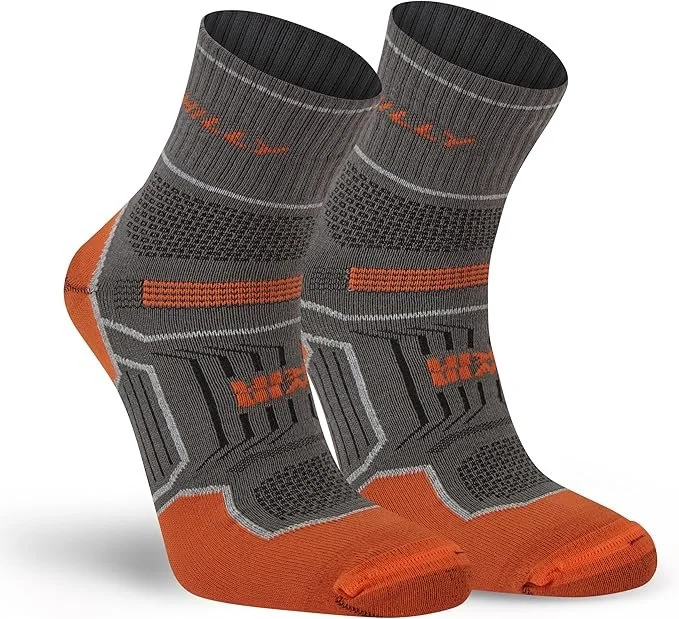
Top pick: Hilly Twin Skin Socks
(Another) top pick: Balega Socks
Running tops: start simple, then upgrade when you feel the difference
For your first run, any t-shirt is fine. If you keep going (and especially if it’s cold, wet, or windy), moisture-wicking tops become a real quality-of-life upgrade.
What to look for:
Light, breathable fabric
A fit that doesn’t flap or rub under the arms
If you run cold: a long sleeve is a great next step
We’d recommend these:
Men’s budget pick: Boyzn Men’s Running Top
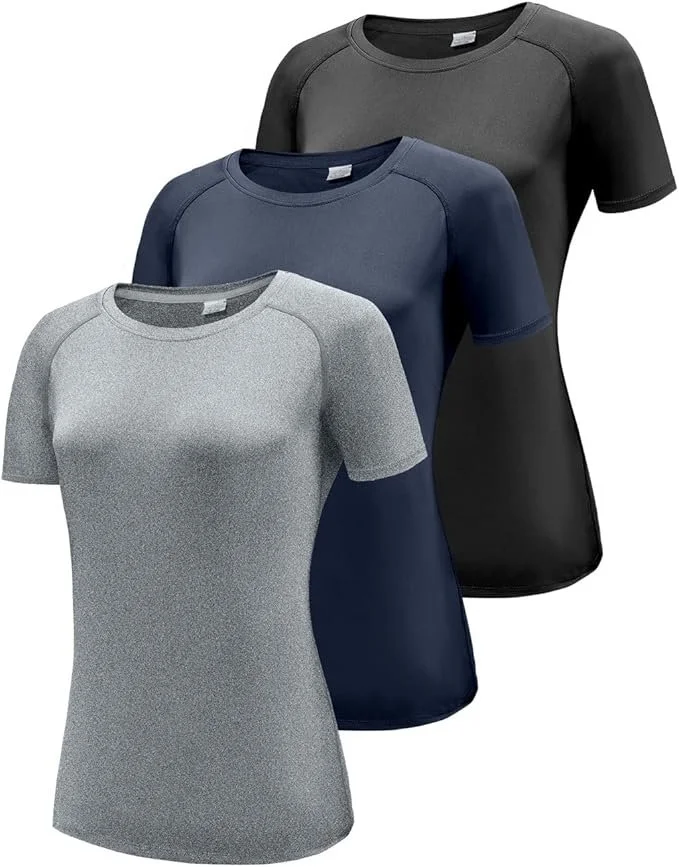
Women’s budget pick: Boyzn Women’s Running Top
Men’s top pick: Asics Metarun Top
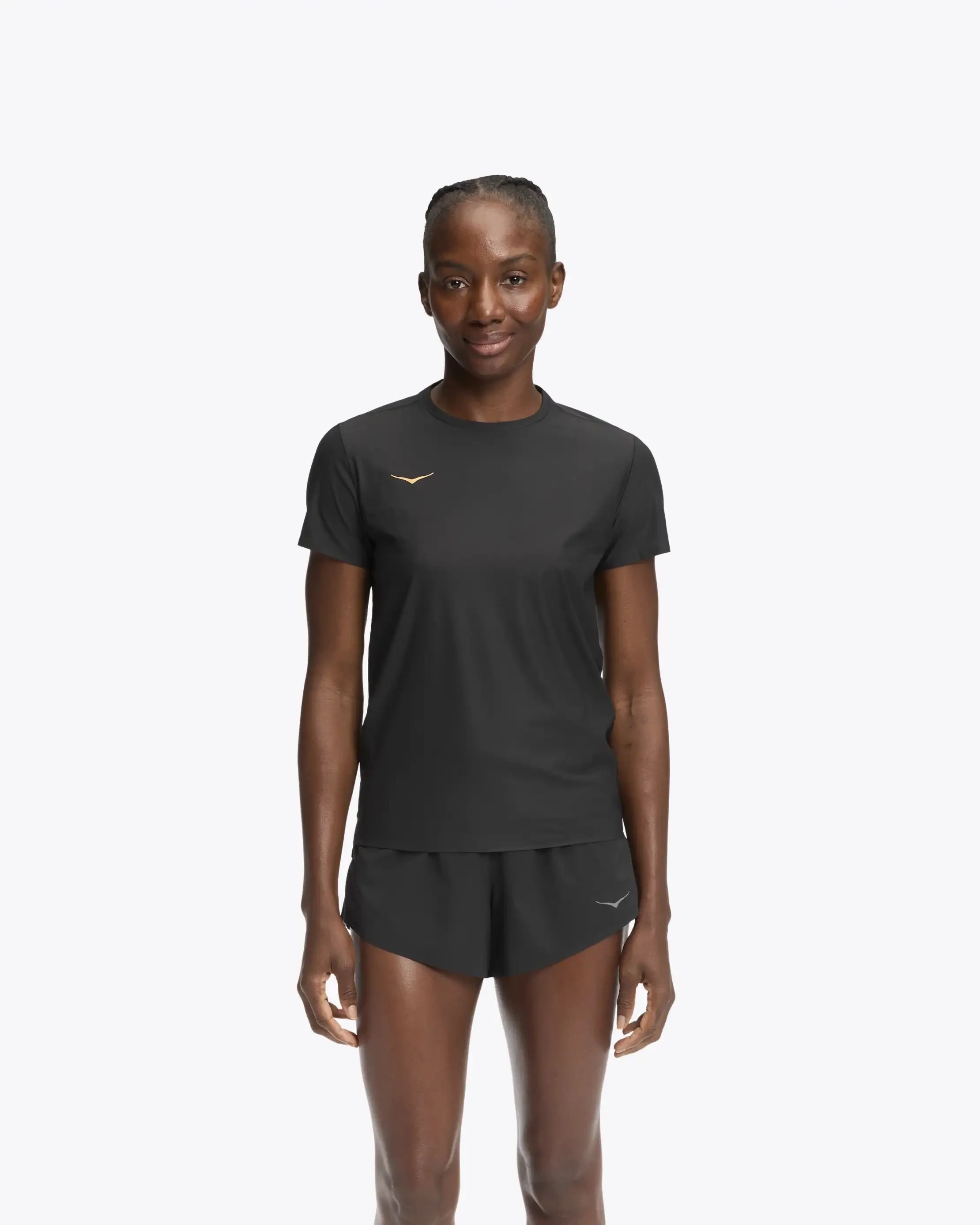
Women’s top pick: Hoka Airolite Top
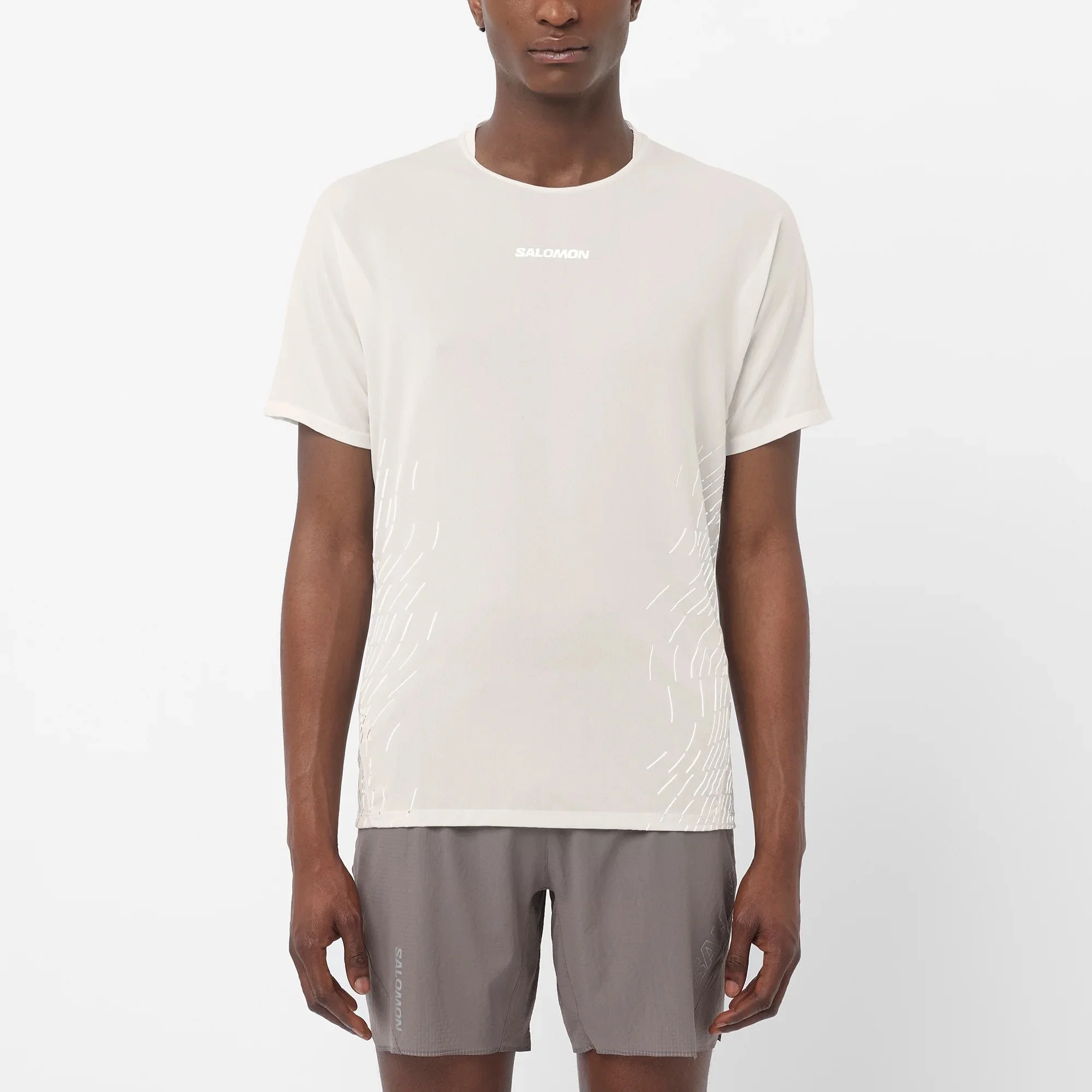
Men’s premium pick: Salomon Cross Run Top
Women’s premium pick: Salomon Sense Aero Top
Running shorts
This is purely comfort and preference. Choose what you will actually wear without thinking about it.
We’d recommend trying to choose shorts with zip pockets to store your keys and gels.
Here are our top picks:
Men’s budget pick: HOPLYNN Men’s Running Shorts (2 pack)
Women’s budget pick: WUDEUI Women’s Running Shorts
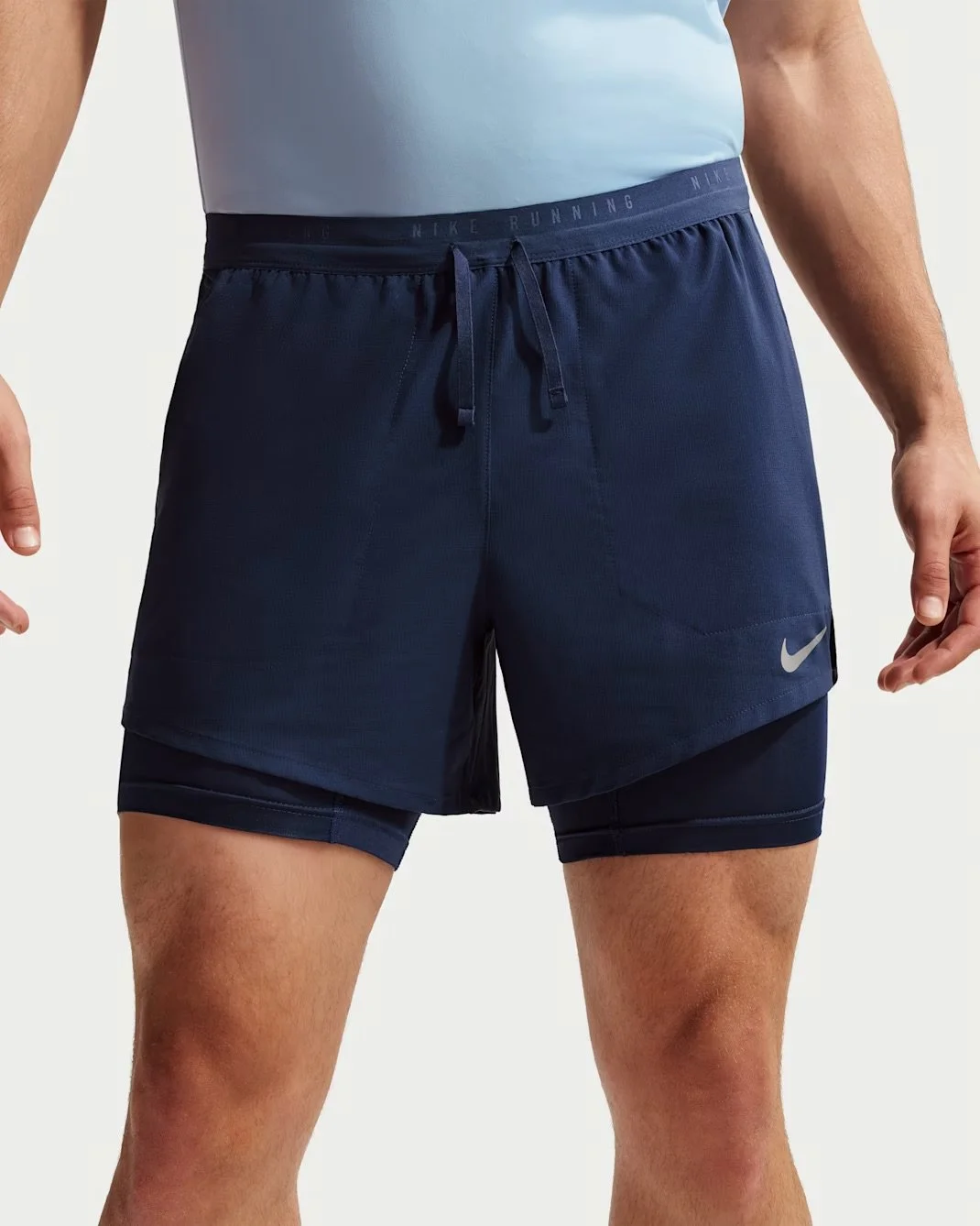
Men’s top pick: Nike Stride Men’s Dri-FIT Running Shorts
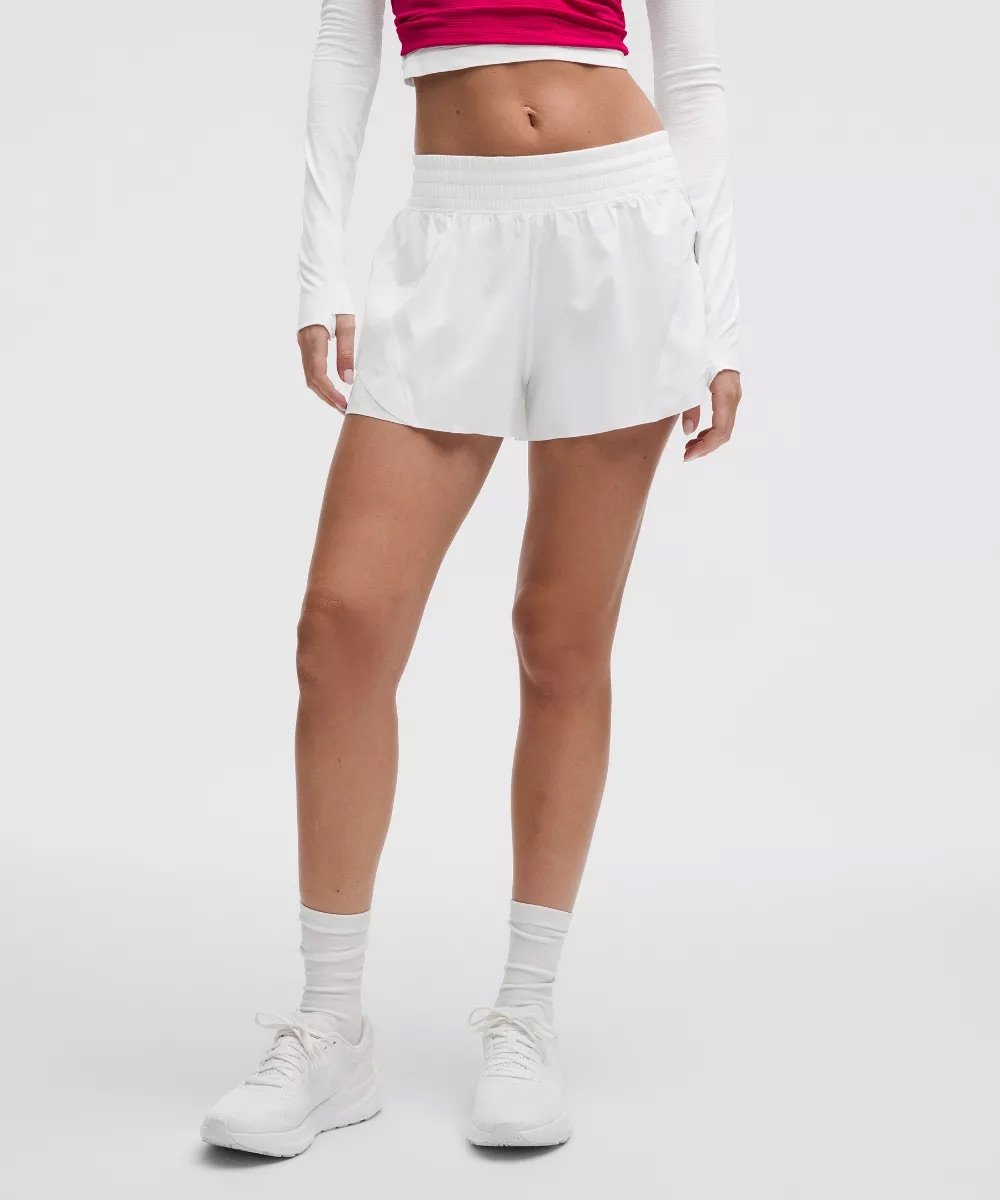
Women’s top pick: Lululemon Women’s Shake It Out Running Shorts
A lightweight running jacket (UK running’s best friend)
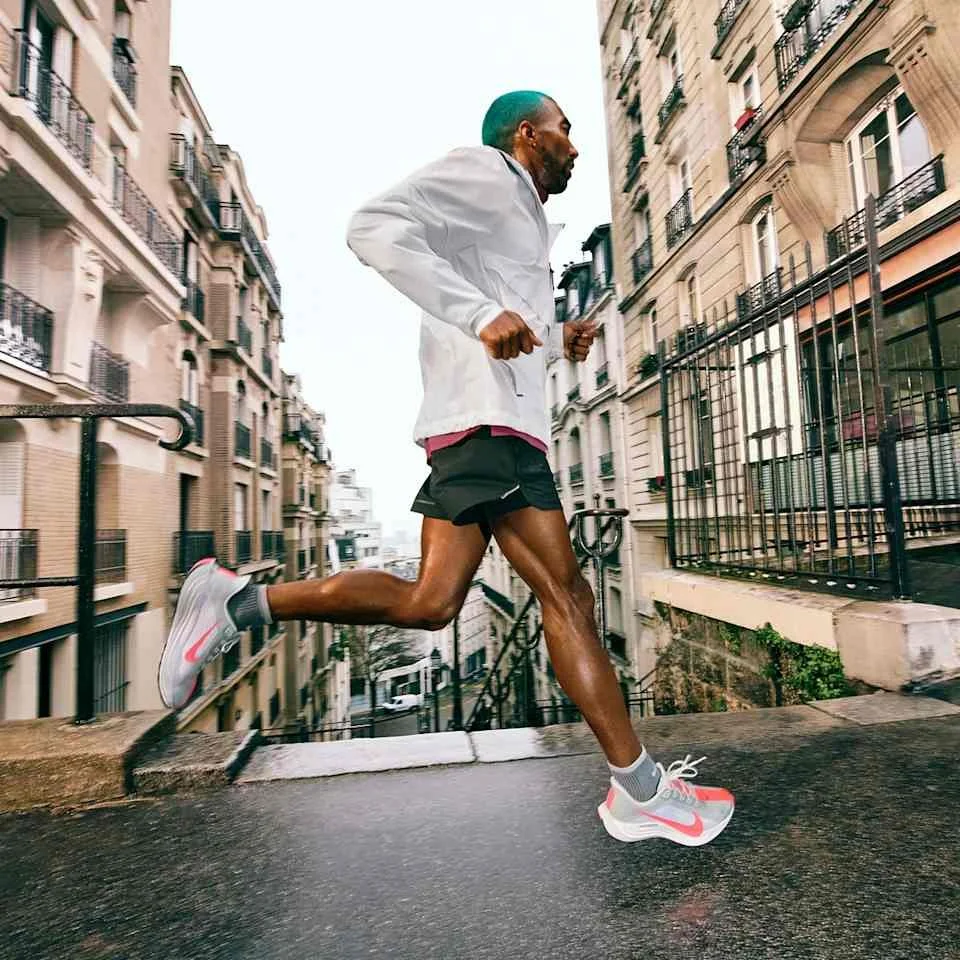
If you run in the UK, you will meet wind and drizzle sooner than you’d like. A lightweight jacket makes it easier to get out the door and stay warm without overheating.
What to look for:
Wind resistance
“Shower resistant” is often enough for most runs
Breathability (sweaty jackets are the worst)
A hood that doesn’t flap like a sail
Here’s some we’d recommend:
Men’s budget pick: BERGRISAR Men’s Waterproof Running Jacket
Women’s budget pick: Time To Run Women’s Waterproof Running Jacket
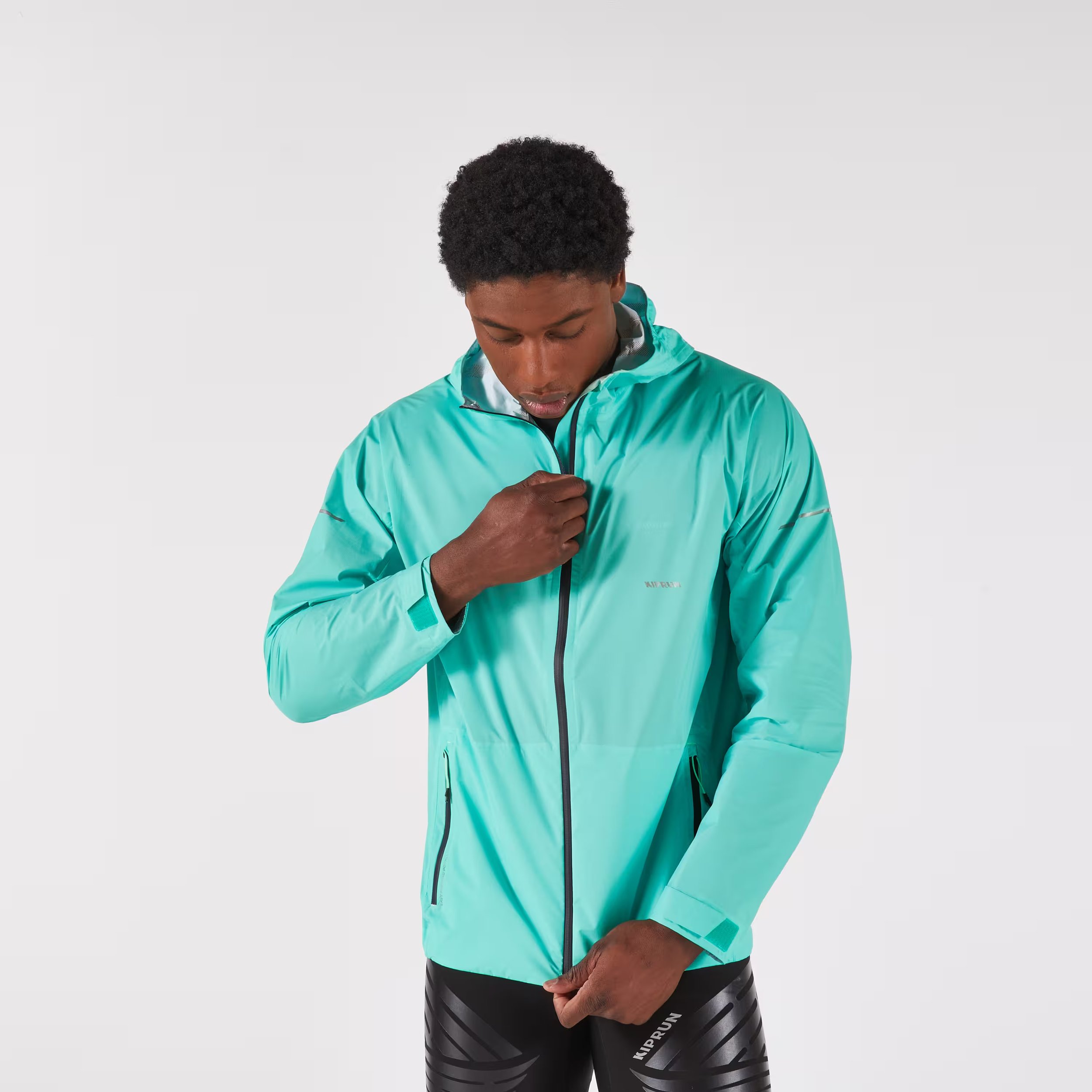
Men’s top pick: KIPRUN Run 900 Men’s Waterproof Running Jacket
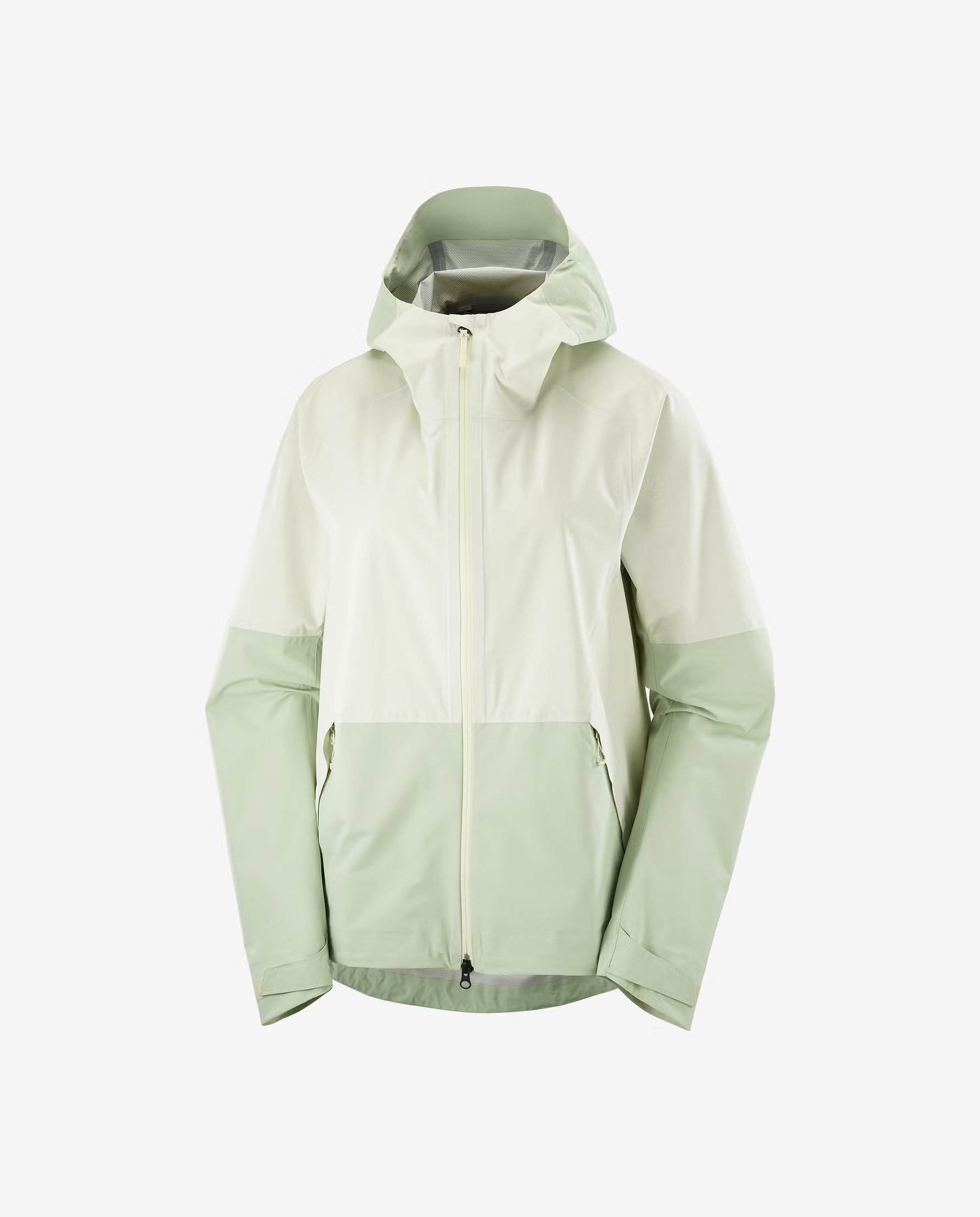
Women’s top pick: Salomon Outerpath Women’s Running Jacket
Smartwatch or phone tracking: helpful, not required
You can start running with nothing but a phone timer. Tracking can be motivating, but it can also push beginners to run too hard, too soon.
If you track, keep it simple:
Track time and effort (easy run-walk)
Don’t chase pace in week one
Consistency beats metrics
Option A: Phone-only tracking
If you already have a smartphone, you already have enough. Apps like Strava and Runna can log distance, time and routes.
Option B: A beginner-friendly GPS running watch
What to look for:
Comfortable on the wrist
Solid battery life
Reliable GPS
Easy-to-read stats
Optional heart-rate tracking (useful, but not mandatory)
Here’s our top 3 picks for running watches:
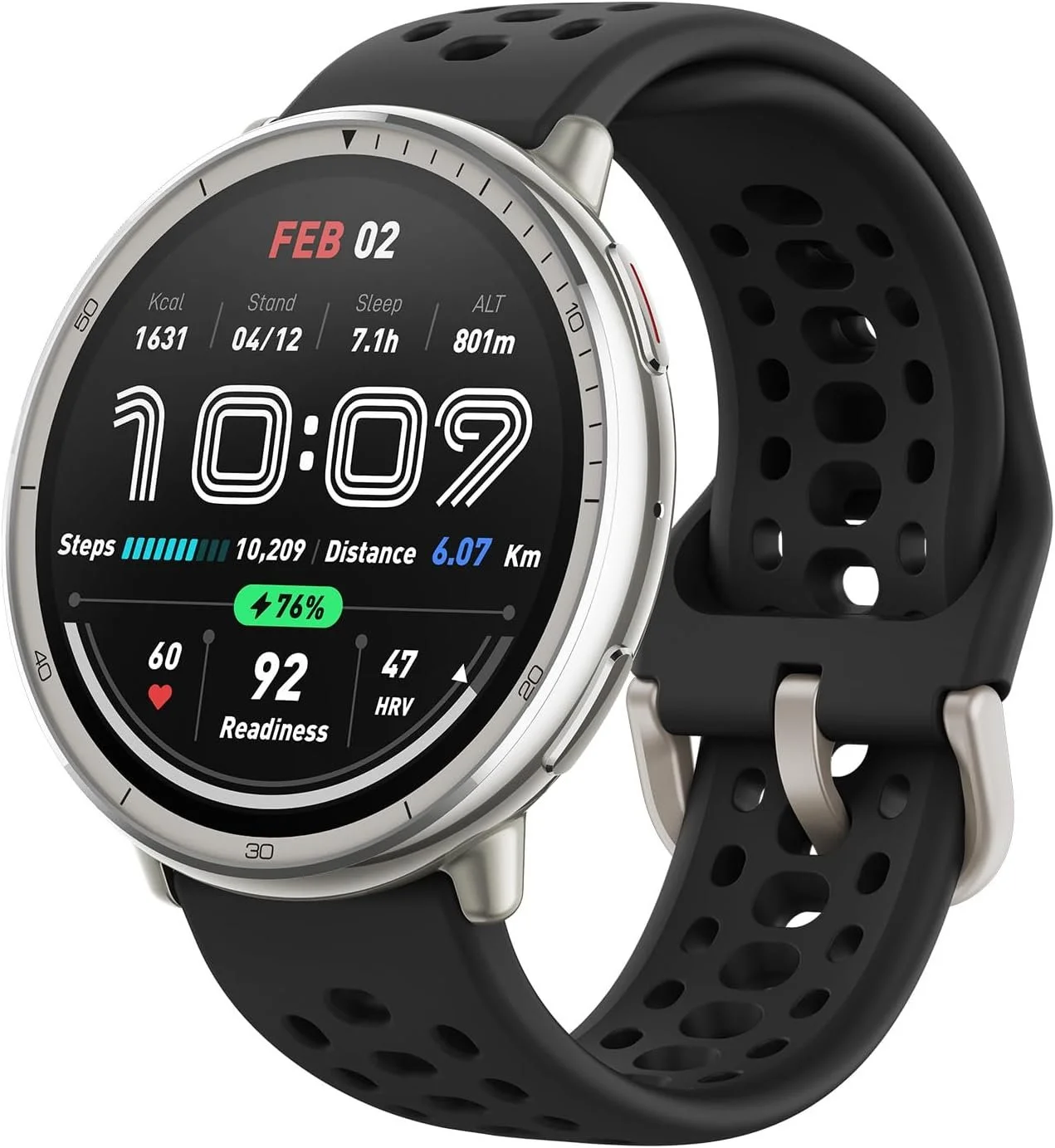
Budget pick: Amazfit Active 2
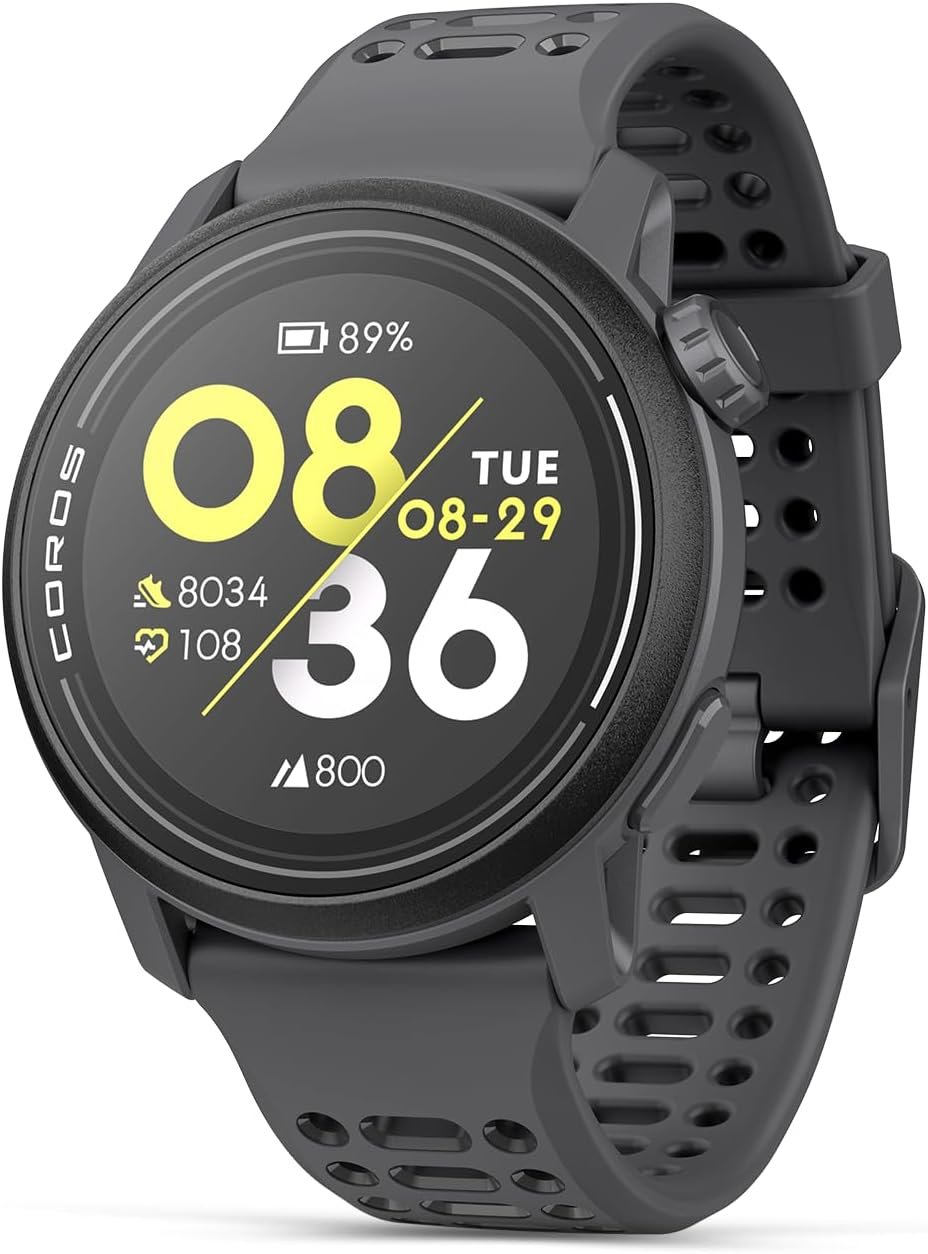
Top pick: Coros Pace 3
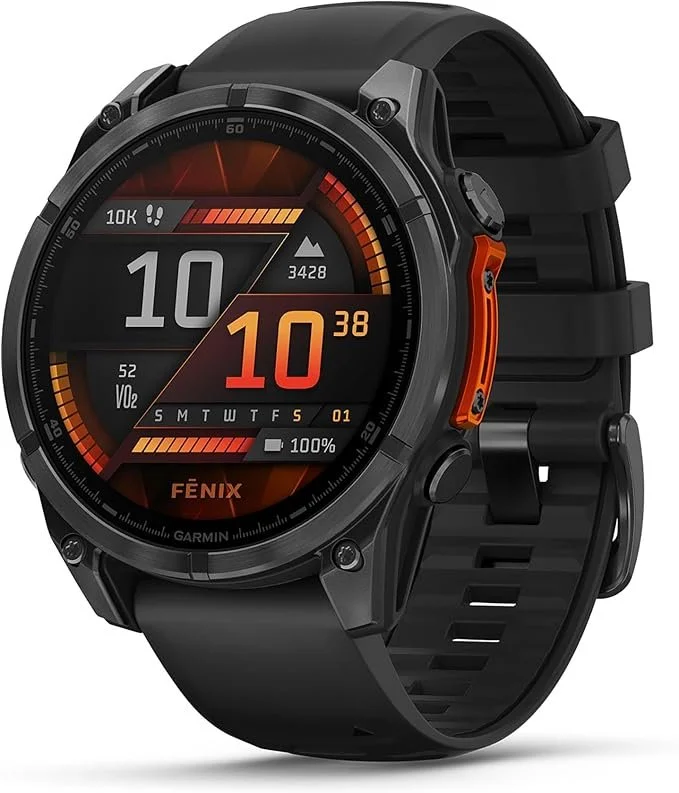
Premium pick: Garmin Fenix 8
FAQs
-
No. If you can time your run and keep it easy, you are doing it right.
-
For a first try, yes. If you plan to keep running, proper running shoes are the best upgrade you can make.
-
One is fine. Start with one comfortable daily trainer and only expand if you are running regularly.
-
Light layers and a breathable jacket. You want “not soaked and freezing,” not “boiling in a bin bag.”
Final thoughts
You don’t need perfect gear to start running. You need comfortable basics that remove excuses and make your first few weeks feel manageable.
Start simple. Run easy. Upgrade only when your runs tell you what you actually need.
If you need help on how to start running, we’ve created a simple guide for beginners to get them running, you can find that here.